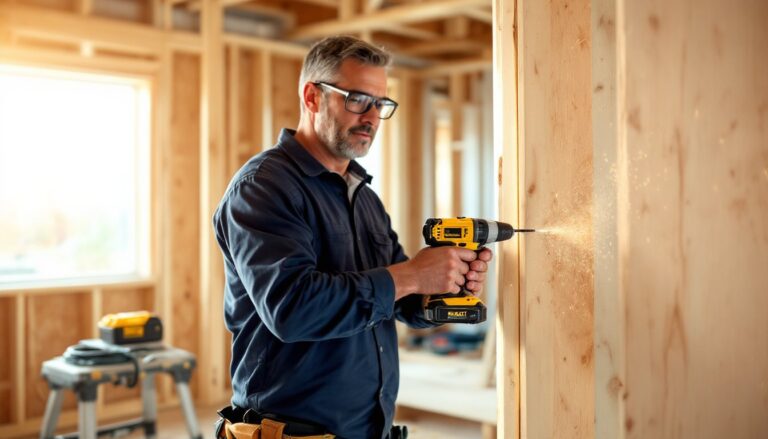
Renovating a home can feel like a thrilling adventure, like diving into a treasure chest of potential. But wait! Before grabbing that hammer and paintbrush, there’s a sneaky little gremlin lurking in the shadows: property taxes. Yep, those renovations that promise to make a home sparkle could also lead to a surprise spike in tax bills.
Table of Contents
ToggleUnderstanding Property Tax on Renovations
Renovations can enhance a property’s value, but increased property taxes can come as an unwelcome surprise. Knowing how property tax interacts with home improvements helps homeowners make informed decisions.
What Is Property Tax?
Property tax is a local government tax based on the assessed value of real estate. Calculated using a percentage determined by the local jurisdiction, this tax typically funds public services such as schools, infrastructure, and emergency services. Homeowners receive annual assessments indicating their tax obligations. Taxes depend on both the property’s assessed value and the local tax rate.
How Property Tax Applies to Renovations
Renovations may substantially increase a home’s assessed value, which can lead to higher property taxes. Local governments often reassess properties after significant improvements, impacting the overall tax bill. Homeowners should consider the types of renovations that trigger reassessments, including additions, major upgrades, or structural changes. Certain projects may offer tax exemptions or credits, so it’s important to research local laws and regulations. Cancellation of a reassessment may occur under specific conditions, depending on local policies.
Different Types of Renovations and Their Tax Implications
Renovations can significantly impact property taxes, influencing homeowners’ financial planning. Understanding the types of renovations and their tax implications is essential for informed decision-making.
Major vs. Minor Renovations
Major renovations increase the property’s value substantially. These projects often involve significant structural changes, such as adding rooms or finishing basements. Homeowners frequently trigger property tax reassessments with these improvements. Minor renovations, such as painting or landscaping, usually do not alter the property’s assessed value. Tax implications are often negligible for these smaller projects. Evaluating potential increases in property taxes before undertaking major renovations helps homeowners budget effectively.
Capital Improvements vs. Routine Maintenance
Capital improvements enhance property value or prolong its life. These projects include replacing roofs or renovating kitchens, likely prompting higher property assessments. Routine maintenance, like fixing leaky faucets or servicing HVAC systems, focuses on property upkeep without impacting assessed value. Typically, routine maintenance does not trigger reassessments, resulting in fewer tax implications. Homeowners must distinguish between the two to anticipate how their choices affect property taxes. Understanding the differences enables better financial planning surrounding renovations.
Assessing the Impact of Renovations on Property Value
Home renovations often lead to an increase in property value, but it’s crucial to assess the potential consequences on property taxes. Understanding how renovations affect value helps homeowners make informed decisions.
Factors Affecting Property Value Increase
Local real estate trends significantly influence property value. Improvements that modernize amenities or enhance curb appeal often yield the highest returns. Kitchen and bathroom remodels stand out as top investments, frequently leading to notable increases in market value. Additionally, location plays a vital role; properties in sought-after neighborhoods tend to appreciate more. Market conditions, such as supply and demand, directly impact overall value. Furthermore, the quality of renovations matters; professional work increases home value more than DIY projects.
How Tax Assessments Are Conducted
Tax assessments take place periodically, with local governments evaluating property value for taxation purposes. Appraisers consider various factors, such as recent sales of comparable homes and property characteristics. When homeowners undertake significant renovations, they may trigger a reassessment. Inspections often follow, allowing assessors to review improvements directly. Property tax increases occur only if the new assessed value surpasses the previous one. Homeowners should be aware of the process, including the possibility of appealing assessments if they believe the value is inaccurately high.
Strategies to Minimize Property Tax on Renovations
Homeowners can take several steps to minimize the impact of property taxes when undertaking renovations. Understanding available tax deductions and exemptions plays a crucial role in this process.
Tax Deductions and Exemptions
Local governments offer specific tax deductions or exemptions for particular renovation projects. For example, energy-efficient upgrades may qualify for credits, lowering overall tax bills. Homeowners should review local regulations to identify eligible projects such as solar panel installations or accessibility improvements. Consulting a tax professional can help them navigate these opportunities more effectively. Documentation of expenses and improvements ensures that they maximize available deductions.
Planning Renovations with Tax in Mind
Strategically planning renovations can help mitigate property tax increases. Prioritizing minor updates avoids triggering reassessments that come with significant renovations. By focusing on maintenance rather than capital improvements, homeowners can maintain property value without incurring additional taxes. Assessing the local real estate market also proves essential when deciding on renovation types. Consulting with real estate experts can provide insights into which renovations enhance value without dramatically raising tax assessments.
Conclusion
Home renovations can transform a property but they come with financial considerations that shouldn’t be overlooked. Understanding the potential for increased property taxes due to reassessments is crucial for homeowners. By being informed about local laws and available tax exemptions, they can make smarter renovation choices.
Careful planning can help minimize tax impacts while maximizing property value. Prioritizing minor updates and focusing on maintenance can keep assessments in check. Consulting with real estate professionals can provide valuable insights into making renovations that enhance both a home’s appeal and its financial viability. Being proactive in these areas ensures that homeowners embark on their renovation journey with confidence.