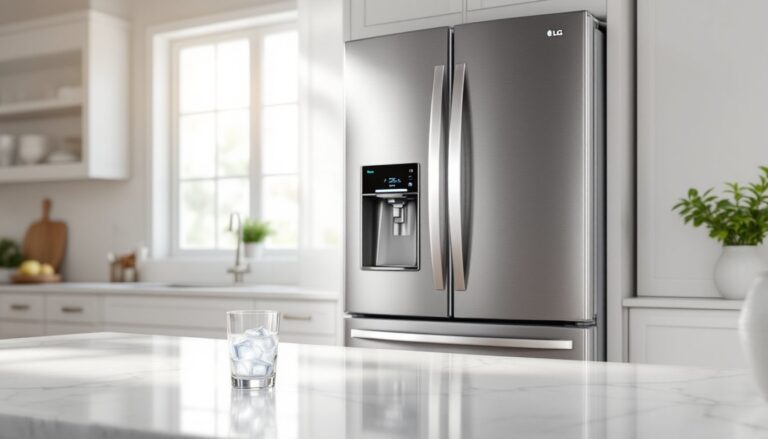
Commercial refrigerators and freezers aren’t just for restaurants anymore. Whether you’re setting up a home-based catering business, turning a garage into a workshop with cold storage, or just tired of your residential fridge failing during harvest season, commercial cooling units offer durability and capacity that consumer models can’t match. But they’re also more expensive, louder, and demand more power. Before you commit to a commercial refrigerator freezer, you need to understand what sets them apart, what types fit different spaces, and whether your electrical panel and floor can handle the load. This guide walks through the practical considerations, no sales pitch, just the specs and trade-offs you need to make an informed choice.
Table of Contents
ToggleKey Takeaways
- Commercial refrigerators and freezers are built for continuous 24/7 operation with heavy-gauge stainless steel construction and thicker insulation (2–3 inches), making them significantly more durable than residential models for high-use scenarios.
- Before purchasing a commercial refrigerator freezer, verify your electrical panel supports the required power (115V/15A for single-door units, 208/230V for larger models), and budget $300–$800 for a dedicated circuit if upgrades are needed.
- Reach-in units offer practical storage solutions (20–72 cubic feet) for small businesses and home operations, while walk-in coolers and freezers cost $5,000–$15,000 installed and require professional technician setup and local permits.
- Choose automatic defrost systems for high-use situations, prioritize removable FDA-compliant door gaskets, and install digital thermometers with external displays to monitor temperature without opening the door and reduce energy loss.
- Account for structural and spatial requirements by ensuring your floor can support 600–800 pounds, leaving 6 inches of clearance behind rear-mounted condensers, and hard-plumbing drain lines in humid climates to prevent water pooling and compressor overwork.
- Fully loaded commercial units generate 2,000–5,000 BTU/hour of heat and use 5–18 kWh/day depending on size, so plan adequate ventilation and compare energy specs before committing to avoid discomfort and operational costs in residential or small workshop spaces.
What Makes Commercial Refrigerators and Freezers Different from Residential Models?
The core difference is duty cycle and construction. Residential fridges are rated for intermittent use, opening the door a few times an hour, storing a week’s groceries. Commercial units are built for continuous operation under high-frequency door openings, rapid restocking, and full-load capacity 24/7. They use heavier-gauge stainless steel (18- to 20-gauge), commercial-grade compressors, and thicker insulation (often 2 to 3 inches compared to residential 1-inch foam).
Commercial refrigerators typically run on 115V or 208/230V circuits with dedicated 15- to 20-amp breakers. Larger walk-ins or multi-door reach-ins may require three-phase power, which most homes don’t have without an electrician upgrade. Check your panel before shopping.
Temperature control is tighter. Commercial units hold 33°F to 38°F for refrigeration and -10°F to 0°F for freezers, with less variance during door openings. They also include NSF-rated components and materials that meet health department standards, critical if you’re running a food business, even from home.
Noise is a factor. Commercial compressors and evaporator fans are louder than residential models, often 50 to 65 decibels. If you’re installing one in a home kitchen or attached garage, consider sound-dampening mats and insulation. Some units allow for remote condensers, which can be mounted outside to reduce indoor noise.
Types of Commercial Refrigerators and Freezers to Consider
Reach-In Units vs. Walk-In Cooling Systems
Reach-in refrigerators are the workhorse for most small businesses and serious home users. These upright units come in one-, two-, or three-door configurations, with 20 to 72 cubic feet of storage. Standard depth is 32 inches, but you’ll find shallow models (24 inches) that fit tighter spaces. Doors are typically solid stainless or glass, and interiors have adjustable wire shelving rated for 50 to 75 pounds per shelf.
For freezers, look for units with self-closing doors and magnetic gaskets, if the door doesn’t seal within 10 seconds of closing, you’ll lose cold air and overwork the compressor. Top-mount compressors are easier to service but add height: bottom-mount models save vertical space but collect dust faster.
Walk-in coolers and freezers are overkill for most DIY projects unless you’re processing bulk meat, running a CSA, or brewing at scale. Prefab walk-ins start around 6×6 feet and require a level concrete slab rated for at least 150 pounds per square foot. Installation isn’t a DIY job, you’ll need a refrigeration technician to run refrigerant lines, mount the condensing unit, and pull permits. Expect $5,000 to $15,000 installed, depending on size and insulation thickness (R-25 to R-35 for freezers).
If you’re considering a walk-in for a home brewery or farm stand, check local zoning. Some jurisdictions classify walk-ins as commercial structures requiring setback clearances and inspections.
Display Refrigerators and Glass Door Options
Glass door reach-ins are ideal if you’re selling products or want visibility without opening the door constantly. They use low-E double-pane or triple-pane glass to reduce heat gain, but they still lose efficiency compared to solid doors, figure 10 to 20% higher energy use.
Some testing shows that glass door models maintain consistent temperatures even with frequent viewing. LED interior lighting is standard, and the best units include anti-sweat heaters in the door frames to prevent condensation in humid climates.
Merchandising refrigerators, the kind you see in convenience stores, are built for impulse sales, not long-term storage. They prioritize aesthetics and door count over insulation thickness. If you’re setting up a farm stand or garage shop, a single-door glass reach-in is a better bet than a multi-door merchandiser.
Countertop display cases (refrigerated or not) are handy for baked goods or prepared foods in a home-based bakery. Most plug into standard 120V outlets and hold 3 to 5 cubic feet, but they’re not NSF-rated unless specified, important if your local health department inspects.
For broader ideas on integrating commercial-grade appliances into home kitchens, The Kitchn offers practical layout and organization tips that work well with oversized cooling equipment.
Key Features to Look for When Buying a Commercial Cooling Unit
Start with capacity. Commercial cubic footage is measured differently than residential, it’s total interior volume, not “usable” space. A 48-cubic-foot reach-in might only net you 35 to 40 cubic feet of actual storage once shelving and airflow clearances are accounted for.
Compressor type matters. Air-cooled compressors are standard and easier to service, but they vent heat into the room, plan for adequate ventilation. Water-cooled compressors are quieter and more efficient in hot climates but require a water line and drain, plus they cost more upfront.
Defrost system: Manual defrost is cheapest but impractical for high-use scenarios. Automatic defrost (electric or hot gas) runs on a timer, typically every 6 to 12 hours. On refrigerators, this is seamless. On freezers, it can cause brief temperature spikes, so look for models with adaptive defrost that adjusts cycles based on door openings.
Shelving: Wire shelving allows airflow but can leave grid marks on soft packages. Some units offer solid or half-solid shelves for better product support. Make sure shelves are epoxy-coated or polymer-coated, bare metal rusts in high-humidity environments.
Door gaskets should be removable and replaceable without tools. Check that the gasket material is FDA-compliant and resistant to mold. Some manufacturers offer snap-in gaskets, which save you an hour and a service call when they wear out.
Look for digital thermometers with external displays. This lets you monitor temperature without opening the door. Units with data logging or WiFi connectivity are worth the extra cost if you’re running a food business, many health departments now accept digital logs instead of paper records.
For reach-in units, recent evaluations of top models highlight the importance of quick temperature recovery after door openings, especially in high-traffic settings.
Energy efficiency: Commercial units aren’t required to carry Energy Star ratings, but many do. Compare kWh per day specs. A one-door reach-in typically uses 5 to 10 kWh/day: a two-door can run 10 to 18 kWh/day. For context, that’s roughly the same as adding a window AC unit running full-time.
Installation Considerations and Space Planning for Your Home or Business
Electrical: Most one-door reach-ins run on 115V/15A circuits, but two- and three-door models often need 208V or 230V. Verify your panel can support the load and that you have a dedicated circuit, don’t share it with other appliances. If you’re upgrading from residential to commercial, budget $300 to $800 for an electrician to run a new circuit and breaker.
Floor load is critical for walk-ins but also matters for reach-ins. A fully loaded two-door unit can weigh 600 to 800 pounds. Concrete slabs are fine. Wood-framed floors need reinforcement if joists are spaced wider than 16 inches on center or if the subfloor is less than 3/4-inch plywood or OSB. Consult a structural engineer if you’re placing a heavy unit on a second floor or over a crawlspace.
Clearances: Leave 6 inches behind the unit for airflow if the condenser coils are rear-mounted. Top-mount condensers need 12 inches of overhead clearance. Side clearances depend on door swing, measure the full arc and add 2 inches to avoid binding against walls or adjacent appliances.
Door swing direction is often reversible, but not always. Check before delivery, especially in tight spaces. Some models offer half-door or sliding door options, which save clearance but cost more and have more parts to maintain.
Drainage: Reach-in refrigerators with automatic defrost need a drain line. Most units include a condensate pan that evaporates moisture, but in humid climates or high-use situations, you may need to hard-plumb a 3/8-inch drain line to a floor drain or exterior. Freezers with defrost cycles always require drainage, don’t skip this or you’ll have water pooling inside.
Ventilation: Air-cooled condensers can add significant heat to a room, 2,000 to 5,000 BTU/hour depending on unit size. In a small kitchen or enclosed garage, this can make summer working conditions miserable. Consider adding a ventilation fan or mounting the condenser remotely if the manufacturer supports it.
PPE and handling: Commercial units are heavy and awkward. Use an appliance dolly with straps, and get at least one other person to help. Wear steel-toe boots and work gloves, stainless steel edges are sharp. If you’re moving a unit with a compressor, keep it upright: tipping it can damage the refrigerant lines. If it does tip, let it sit upright for 24 hours before plugging it in.
Permits and codes: If you’re installing a commercial unit for a home-based food business, check with your local health department and building department. Some jurisdictions require permits for electrical work, refrigeration installations, or changes to commercial kitchen layouts. Walk-ins almost always need permits, and inspections verify proper insulation, electrical connections, and refrigerant handling by a licensed technician.
Conclusion
Choosing a commercial refrigerator freezer comes down to matching capacity, power, and durability to your actual use case. If you’re running a business or need reliable cold storage at scale, the investment pays off in longevity and performance. Just don’t skip the electrical and structural prep, commercial cooling equipment demands more from your building than any residential appliance, and cutting corners on installation leads to expensive repairs and downtime.