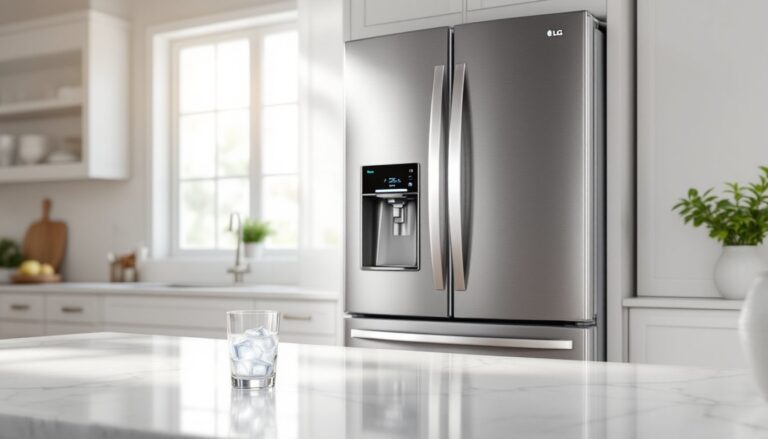
Buying a refrigerator is one of the biggest appliance decisions a homeowner makes. It’s a long-term investment that anchors the kitchen and runs 24/7 for a decade or more. Costco has become a go-to destination for appliance shoppers who want solid warranties, competitive pricing, and a curated selection without the overwhelm of big-box retail. Whether you’re replacing a failing unit or upgrading during a remodel, understanding what Costco offers, and how to navigate their buying process, can save you hundreds of dollars and a lot of decision fatigue.
Table of Contents
ToggleKey Takeaways
- Costco refrigerators offer 10–20% price savings compared to traditional appliance stores, plus an extended two-year warranty through Concierge Services at no extra cost.
- Top brands like Samsung, LG, KitchenAid, and GE are carefully curated at Costco, eliminating the overwhelm of choosing from hundreds of budget-tier models.
- French door refrigerators dominate Costco’s inventory and provide optimal space efficiency for most kitchens, though side-by-side and top-freezer options work better in tight layouts.
- Upgrade to a braided stainless steel water line ($15–$25) to prevent the kinking and leaks common with basic plastic lines included in standard Costco installation.
- ENERGY STAR-certified models save $360–$720 over 12 years on electric bills, often offsetting a higher purchase price compared to standard refrigerators.
- Shop during Black Friday or holiday weekends when Costco runs appliance promotions offering $200–$500 discounts and complimentary delivery on select Costco refrigerator purchases.
Why Buy a Refrigerator at Costco?
Costco’s appliance program isn’t just about bulk deals on paper towels. They’ve built a reputation for offering premium refrigerator models at prices that undercut traditional appliance stores by 10–20%. The warehouse model means lower overhead, and Costco passes those savings along.
One of the biggest advantages is the extended manufacturer’s warranty that comes standard with most Costco appliances. While many retailers offer the baseline one-year coverage, Costco typically bundles an additional year through their Concierge Services program at no extra cost. That’s two years of coverage on parts and labor, significant peace of mind for a major appliance.
Costco also vets their inventory carefully. You won’t find budget-tier brands or off-label models. Instead, the selection focuses on mid-to-high-end units from established manufacturers like Samsung, LG, KitchenAid, and GE. This curated approach simplifies decision-making. You’re not wading through 50 models: you’re choosing among proven performers.
Another often-overlooked benefit: hassle-free returns. Costco’s generous return policy extends to appliances, though refrigerators do have some restrictions due to the nature of installation. Still, if a unit arrives damaged or malfunctions early, Costco’s customer service tends to resolve issues faster than dealing with a third-party retailer and manufacturer separately.
Finally, if you hold a Costco credit card, you’ll earn 2% cash back on appliance purchases. On a $2,000 refrigerator, that’s $40 back, not a fortune, but enough to cover a tank of gas or a few groceries to stock your new fridge.
Top Refrigerator Brands Available at Costco
Costco rotates inventory seasonally, but a few brands consistently dominate their appliance floor. Understanding each brand’s strengths helps narrow your search.
Samsung leads in innovation and design. Their models often feature FlexZone drawers (convertible compartments that switch between fridge and freezer temps), Wi-Fi connectivity, and sleek stainless finishes. Samsung’s compressors are generally reliable, though some older models had class-action issues, stick to units manufactured after 2020. These are solid picks for tech-forward households.
LG competes closely with Samsung on features but edges ahead on energy efficiency. Many LG units earn ENERGY STAR Most Efficient ratings, which can shave $50–$80 off annual electric bills compared to standard models. LG’s InstaView door-in-door design reduces cold air loss, and their linear compressors carry a 10-year warranty. When comparing top-rated refrigerator models, LG frequently appears for reliability.
KitchenAid, a Whirlpool subsidiary, appeals to home cooks who prioritize interior layout and build quality over smart features. Expect full-extension drawers, adjustable shelving, and commercial-grade handles. These units are heavier and often pricier, but they’re built to last 15+ years with minimal service calls.
GE and GE Profile occupy the middle ground, dependable, straightforward, and competitively priced. GE’s top-freezer models remain popular for smaller kitchens or basement installations. Profile models add features like hands-free autofill water dispensers and advanced humidity controls in crisper drawers.
Occasionally, Costco stocks Whirlpool or Frigidaire units, especially in top-freezer or side-by-side configurations. These are budget-conscious options that sacrifice some refinement for lower upfront cost but still deliver solid performance.
Choosing the Right Refrigerator Style for Your Kitchen
Refrigerator configuration affects workflow, storage capacity, and installation requirements. Matching style to your kitchen layout prevents costly mistakes.
French Door Refrigerators
French door models, featuring double doors on top and a pull-out freezer below, dominate Costco’s inventory for good reason. They offer wide shelves (ideal for party platters or sheet pans), eye-level access to fresh food, and efficient use of space in kitchens with limited clearance.
Most units range from 36 to 42 inches wide, so measure your existing cutout carefully. Don’t forget to account for door swing clearance. A 36-inch fridge needs at least 20 inches of clearance on the hinge side for doors to open fully. If your kitchen island sits close to the fridge, you might struggle to access crisper drawers.
French door models typically offer 22–28 cubic feet of capacity. Families of four or more should target 25+ cubic feet. Counter-depth versions sit flush with cabinetry for a built-in look but sacrifice 3–4 cubic feet compared to standard-depth units. Among highly rated refrigerator choices, French door styles consistently rank for usability.
One caveat: the bottom freezer can be awkward for anyone with mobility issues. Bending repeatedly to retrieve frozen items isn’t ideal if that’s a concern in your household.
Side-by-Side and Top-Freezer Models
Side-by-side refrigerators split the unit vertically, freezer on one side, fridge on the other. They work well in galley kitchens where door swing is limited, since each door only needs about 12 inches of clearance. But, narrow shelves (often 12–14 inches wide) make storing wide items like pizza boxes or large casserole dishes difficult.
Top-freezer models are the workhorses of budget-friendly refrigeration. Costco carries fewer of these, but when they do, expect prices under $1,000 for a 30-inch, 18-cubic-foot unit. They’re reliable, energy-efficient, and easy to service. Perfect for rental properties, basement kitchens, or anyone who prioritizes function over features. Testing by independent labs, including those featured in appliance buying guides, often highlights top-freezer reliability.
What to Know About Costco’s Delivery and Installation Services
Costco contracts delivery and installation through third-party logistics partners, which means service quality can vary by region. Here’s what to expect, and how to avoid headaches.
Delivery typically costs $100–$200 depending on your location and whether haul-away of your old unit is included. Some Costco sales promotions waive delivery fees, especially during holiday weekends. Always ask before finalizing the purchase.
Installation includes unboxing, leveling, and connecting water lines if your model has an ice maker or water dispenser. The delivery crew should test the unit before leaving. But, they won’t modify cabinetry, relocate electrical outlets, or move the fridge more than once. If your kitchen needs an outlet installed or the doorway trimmed, hire an electrician or carpenter beforehand.
A critical detail: water line connections. Most installers provide a basic plastic supply line, but these are prone to kinking and leaks. Upgrade to a braided stainless steel line ($15–$25 at any hardware store) for reliability. If you’re handy, you can swap it yourself, shut off the water supply, disconnect the plastic line, and thread on the braided replacement. Use two adjustable wrenches to avoid overtightening.
Haul-away service usually costs an additional $20–$30 and includes removal of your old fridge. If the old unit still works, consider donating it instead. Many utilities offer rebates ($50–$100) for recycling old, inefficient appliances through approved programs.
Finally, ask about the delivery window. Costco provides a four-hour window but doesn’t guarantee exact timing. Clear the delivery path in advance, move rugs, pets, and any furniture blocking doorways or hallways. Measure doorways, including any turns or staircases, to confirm the new fridge will fit. A 36-inch fridge is actually closer to 37 inches wide including handles, so a 36-inch doorway won’t work.
How to Maximize Your Costco Refrigerator Purchase
Smart timing and prep work stretch your investment further.
Shop during Black Friday, Memorial Day, or Labor Day when Costco runs appliance promotions. Discounts range from $200 to $500 off, and some sales include free delivery or upgraded warranties. If you can wait a few weeks, check Costco’s monthly coupon book, it’s mailed to members and posted online.
Before buying, measure your space three times. Write down the height, width, and depth of your current fridge cutout, plus the height of your countertops if considering a counter-depth model. Bring a tape measure to the warehouse and verify the floor model’s dimensions match the spec sheet. Manufacturers sometimes tweak dimensions between model years.
Consider energy costs over the appliance’s lifespan. An ENERGY STAR-certified fridge uses about 400–600 kWh per year, compared to 700+ kWh for older or less efficient models. At $0.15 per kWh (national average), that’s $60–$90 annually. Over 12 years, an efficient model saves $360–$720, enough to offset a higher purchase price.
Register your refrigerator with the manufacturer within 30 days to activate the full warranty. Keep your Costco receipt and delivery paperwork in a dedicated file. If you need service, you’ll contact the manufacturer first, not Costco, so having model and serial numbers handy speeds the process.
Finally, let the fridge acclimate before loading it. After delivery, wait at least four hours before plugging it in if the unit was transported horizontally. This allows compressor oil to settle. Once powered on, wait another 24 hours before adding food, this ensures the interior reaches stable temps and the ice maker cycles properly.
Don’t skip the owner’s manual. It explains optimal temperature settings (usually 37°F for the fridge, 0°F for the freezer), filter replacement schedules (every six months for most water filters), and troubleshooting steps that can save a service call.