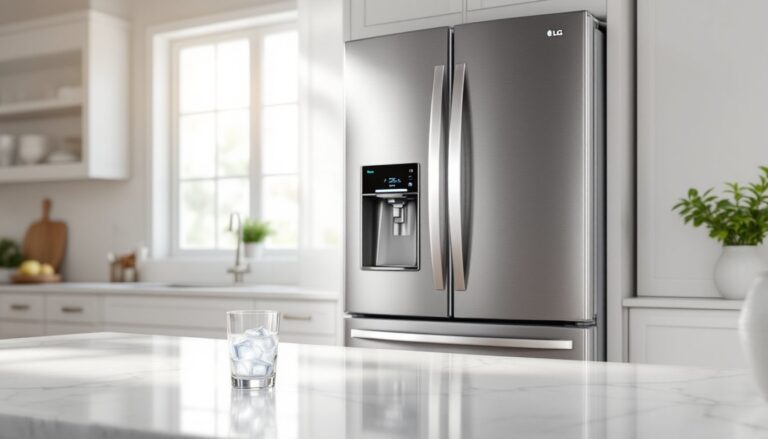
LG’s InstaView refrigerator lineup has been turning heads since its debut, promising to cut down on cold air loss and energy waste with a simple knock. The sleek glass door panel lights up at two quick taps, letting homeowners peek inside without opening the door, handy when you’re checking if you need milk or deciding what’s for dinner. But beyond the parlor trick, does this refrigerator deliver practical value for a modern kitchen remodel or upgrade? This guide walks through what sets InstaView apart, the real-world trade-offs, and what DIYers and homeowners should know before committing counter depth space and several thousand dollars to this appliance.
Table of Contents
ToggleKey Takeaways
- The LG InstaView refrigerator’s knock-activated glass door reduces cold air loss by up to 41% compared to standard models, making it genuinely energy-efficient beyond its novelty appeal.
- The Door-in-Door compartment design minimizes full door openings in busy households, directly reducing compressor cycling and lowering energy consumption without sacrificing storage flexibility.
- LG InstaView models typically cost $2,500–$4,500, representing a $500–$1,000 premium over comparable French door refrigerators, though smart diagnostics and craft ice features justify the investment for some buyers.
- The tempered glass panel can crack under impact, with replacement costs reaching $200–$400 and requiring professional service, making durability a key consideration for households with high kitchen traffic.
- Counter-depth InstaView units fit nearly flush with cabinetry for a built-in aesthetic, but proper leveling, gasket sealing, and electrical/water line installation require careful planning or professional help to avoid warranty voidance.
- The craft ice maker is a standout feature producing slow-melting spheres ideal for cocktails, though it’s slow (three per 24 hours) and best suited for entertaining rather than daily use.
What Makes the LG InstaView Refrigerator Unique?
The signature feature is the transparent glass panel embedded in the right-hand refrigerator door. Two quick knocks illuminate the interior for about 10 seconds, allowing users to see what’s inside without opening the door. LG claims this reduces cold air loss by up to 41% compared to standard models where users open the door to browse.
The lg glass door refrigerator isn’t just a novelty. The knock-to-illuminate mechanism uses capacitive touch sensors and LED lighting built into the door frame, no mechanical switches to fail. The glass is tinted when the light is off, maintaining a clean, seamless exterior that blends with stainless steel or black stainless finishes.
Most InstaView models also incorporate LG’s Door-in-Door compartment, a separate hinged section on the exterior door that opens independently. This creates a two-tier access system: knock to see, open the outer door for frequently used items (beverages, condiments, snacks), and only swing the full door open when reaching for larger items. The outer compartment typically holds around 8-10 bottles or cans and operates on its own gasket seal.
Beyond the glass panel, many lg instaview refrigerator with craft ice models include LG’s dual ice-making system. Standard cubed ice comes from the main icemaker, while a secondary system produces slow-melting, spherical craft ice, 2-inch rounds ideal for cocktails or premium beverages. The craft ice maker sits in the door and takes about 24 hours to produce a batch of three spheres. It’s a niche feature, but it eliminates the need for silicone molds or countertop ice presses.
Key Features and Technology Behind InstaView
Door-in-Door Design and Energy Efficiency
The Door-in-Door layout reduces the frequency of full door openings, which directly impacts energy consumption. Every time a refrigerator door opens, cold air spills out and warm, humid air rushes in. The compressor then works harder to restore the set temperature. LG’s design confines this exchange to a smaller compartment most of the time.
Energy Star ratings vary by model, but several InstaView units meet or exceed federal efficiency guidelines. Counter-depth French door models typically draw 600-700 kWh annually, comparable to similar capacity units without the glass panel. The LED lighting inside the InstaView panel is low-wattage and doesn’t add measurable cost to monthly electric bills.
One trade-off: the Door-in-Door and glass panel reduce interior capacity slightly. A 26-cubic-foot InstaView model might offer 24-25 cubic feet of usable space after accounting for the thicker door assembly and dual-wall insulation around the glass. If maximizing storage is the priority, a standard French door model with the same external dimensions will hold more.
The tinted glass panel is tempered and rated for thermal cycling, but it’s still glass. It can crack if struck hard, and replacement parts run $200-400 depending on the model. LG’s warranty covers defects but not accidental damage. Homeowners with young kids or tight kitchen traffic patterns should weigh this risk.
Smart Connectivity and Voice Control Options
Most 2025 and 2026 InstaView models ship with LG ThinQ integration, allowing Wi-Fi connectivity and app-based controls. Users can adjust temperatures, activate Express Freeze or Express Cool modes, and receive diagnostic alerts (door ajar, water filter replacement due, temperature fluctuations) directly to a smartphone.
Voice control works with Amazon Alexa and Google Assistant. Commands include setting ice modes, checking fridge temperature, or enabling vacation mode. It’s not essential functionality, but it’s convenient when hands are full or during post-grocery restocking.
Some premium InstaView models also feature an integrated LCD touchscreen on the door, separate from the glass panel. This display can show family calendars, recipes, photos, or stream music. According to appliance testing by Good Housekeeping, the screen functionality is smooth, but it’s polarizing, either a household loves it or considers it unnecessary tech bloat.
Smart diagnostics can save a service call. If the fridge throws an error code, the ThinQ app often identifies the issue (blocked vent, faulty sensor, compressor strain) and suggests fixes or schedules a tech visit automatically. This feature has genuine DIY value for troubleshooting before paying a diagnostic fee.
Pros and Cons of Owning an LG InstaView Refrigerator
Pros:
- Reduced cold air loss: The knock-to-see and Door-in-Door design genuinely cut down on compressor cycling, especially in busy households.
- Modern aesthetics: The glass panel and stainless finishes look sharp in contemporary or transitional kitchens. The tinted glass hides clutter without needing constant interior organization.
- Craft ice capability: For entertaining or cocktail enthusiasts, the sphere ice maker is a standout feature that competitors don’t widely offer.
- Smart diagnostics and alerts: ThinQ integration provides real-time monitoring and troubleshooting, reducing guesswork and service delays.
- Flexible storage: Adjustable shelving, full-width drawers, and the Door-in-Door compartment accommodate varied grocery loads.
Cons:
- Price premium: InstaView models typically cost $2,500-$4,500, depending on capacity and features. That’s $500-$1,000 more than comparable non-InstaView French door fridges.
- Reduced interior volume: The thicker door assembly eats into usable space. Families with high storage needs may find shelves tighter than expected.
- Glass panel durability: Tempered glass resists thermal shock but can crack on impact. Replacement is costly and requires professional service.
- Craft ice production is slow: Three spheres per 24 hours won’t keep up with a party. It’s a luxury, not a workhorse.
- Fingerprint magnet: Stainless steel and glass show smudges easily. Black stainless reduces this but costs extra and limits finish matching with other appliances.
- App reliance for advanced features: Some users find the ThinQ app interface clunky, and Wi-Fi dropouts can disable smart functions temporarily.
In CNET’s hands-on testing, the InstaView scored well for innovation and energy efficiency but lagged slightly in pure cooling performance compared to flagship models from Sub-Zero or Bosch at similar price points. It’s a strong all-arounder, not a performance specialist.
Installation Considerations for Your Home
Measuring and clearance: LG InstaView models come in standard-depth and counter-depth configurations. Counter-depth units (typically 24-25 inches deep, excluding door and handles) sit nearly flush with standard cabinetry, giving a built-in look without custom panels. Standard-depth models extend 30-33 inches, protruding into the kitchen footprint.
Before ordering, measure the rough opening: height, width, and depth. Add 1 inch clearance on sides and top for ventilation and door swing. French door models need at least 90 degrees of swing clearance to fully open. If the fridge backs up to an island or faces a narrow galley, mock the swing with cardboard to confirm clearance.
Electrical and water lines: All InstaView models with ice and water dispensers require a dedicated 15-amp, 120V circuit and a ¼-inch water supply line. Most kitchens have a shut-off valve near the fridge cavity. If not, a licensed plumber should add one, don’t tap into the main line without a shutoff. Local code (check IRC Chapter 3 and NEC Article 422 for appliance circuits) typically requires GFCI protection for kitchen outlets, though fridges are often exempted. Verify with your municipality.
Leveling and door alignment: InstaView models weigh 300-400 pounds. Unpack and slide into place with a helper or appliance dolly. Adjust the front leveling feet (accessible from the bottom front corners) until the fridge tilts slightly back, about ¼ inch over 24 inches. This ensures doors self-close and prevents the unit from rocking. Use a torpedo level on top and side-to-side.
Door alignment is critical for the gasket seal. If the French doors don’t meet evenly, loosen the hinge screws (usually Torx T25) on the top hinge and shift the door laterally. Retighten and test. The Door-in-Door compartment has its own adjustment screws, consult the install manual for torque specs.
Professional vs. DIY install: Delivery services usually include basic setup: uncrating, leveling, and water line connection. If you’re comfortable with basic plumbing (compression fittings, Teflon tape, leak testing), DIY install saves $100-$200. If the water line needs extension, new shutoff, or electrical work (adding a circuit or moving an outlet), hire licensed pros. Improper water connections void warranties and risk flooding.
Permitting: Appliance replacement in an existing kitchen rarely requires permits. If you’re adding a new circuit or rerouting plumbing as part of a larger remodel, check with your local building department. Running a new 15-amp circuit from the panel is straightforward for a licensed electrician and ensures code compliance.
For design inspiration and layout ideas that complement modern appliances, resources like The Kitchn offer practical kitchen organization and appliance integration tips.
Conclusion
The LG InstaView refrigerator delivers more than a gimmick. Its knock-to-see glass panel, Door-in-Door efficiency, and craft ice capability make it a practical upgrade for homeowners who value convenience, modern design, and smart tech integration. The price premium is real, and the glass panel adds a durability consideration, but for the right household, this fridge earns its place. Measure carefully, plan for proper clearances and utilities, and you’ll have a centerpiece appliance that works as hard as it looks.